Inter-Relational Grouping and Genetic Diversity Estimates of Adaptable Okara (Abelmoschus esculentus L.)
Keywords:
Okra, Diversity in Okra, Clustering, PCA, ANOVAAbstract
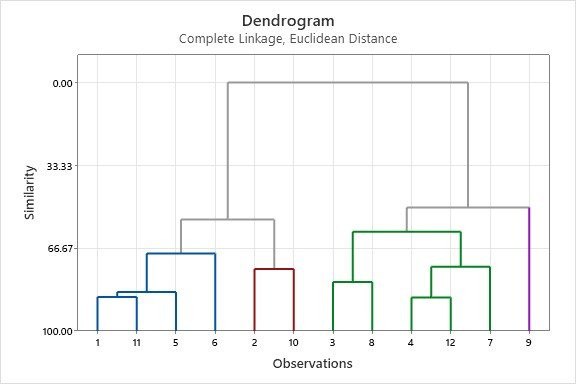
The vegetable crop known as okra (Abelmoschus esculentus L.) is a prominent one that is grown all over the world. Frequently called the "ideal villager's vegetable," it provides a wealth of vitamins, minerals, and elements that support general human health. Okra, a member of the Malvaceae family, is produced and consumed in a variety of ways, and because of its declining yields, breeders must work to create new varieties that can significantly increase and stabilize production. A study was carried out at the Department of Plant Breeding and Genetics, University of Agriculture, Faisalabad, to evaluate the genetic diversity of okra. In the experiment, 12 distinct okra genotypes were assessed to determine their yield patterns and associated attributes during the 2023 kharif season using a randomized complete block design (RCBD) with three replications. Data were collected for plant height, number of nodes, number of fruits, fruit length, fruit diameter, petiole length, internodal distance, stem diameter, fresh weight, dry weight, and number of seeds. Highly significant differences (P ≤ 0.01) were observed among genotypes for all studied traits, indicating the presence of substantial genetic variability. Phenotypic variance (PV) was only slightly higher than genotypic variance (GV) for all traits, while environmental variance (EV) remained very low, demonstrating strong genetic control. For example, plant height showed GV and PV values of 227.86 and 234.21, respectively, while number of seeds exhibited GV and PV values of 37.09 and 38.12, respectively. Fruit diameter displayed a significantly positive correlation with stem diameter (r = 0.5492**) and plant height (r = 0.5283**), whereas number of nodes showed a strong positive association with number of fruits (r = 0.7796**) and zero nodal distance (r = 0.7032**). Fresh weight was highly associated with dry weight (r = 0.9781**) and stem diameter (r = 0.8274**). Principal component analysis revealed that the first three principal components accounted for 84.05% of the total variability, with PC1 alone contributing 40.65% of the variation. Cluster analysis grouped the 12 genotypes into four distinct clusters at a 66.67% similarity index, indicating broad genetic diversity among the germplasm. Among the tested genotypes, PBG-OKRA-69 outperformed others for plant height, node count, fruit number, and fruit diameter, while PBG-OKRA-28 showed superior performance for stem diameter, fresh weight, and dry weight. These genotypes may be effectively utilized in future breeding programs aimed at improving yield and adaptability in Okra.