Isolation and Molecular Characterization of Root-Associated Bacteria from Butea monosperma (Lam.) Taub. Narowal, Punjab, Pakistan
Keywords:
B. monosperma, Rhizobacteria, 16S rRNA Gene Sequencing, Plant Conservation, PGPRAbstract
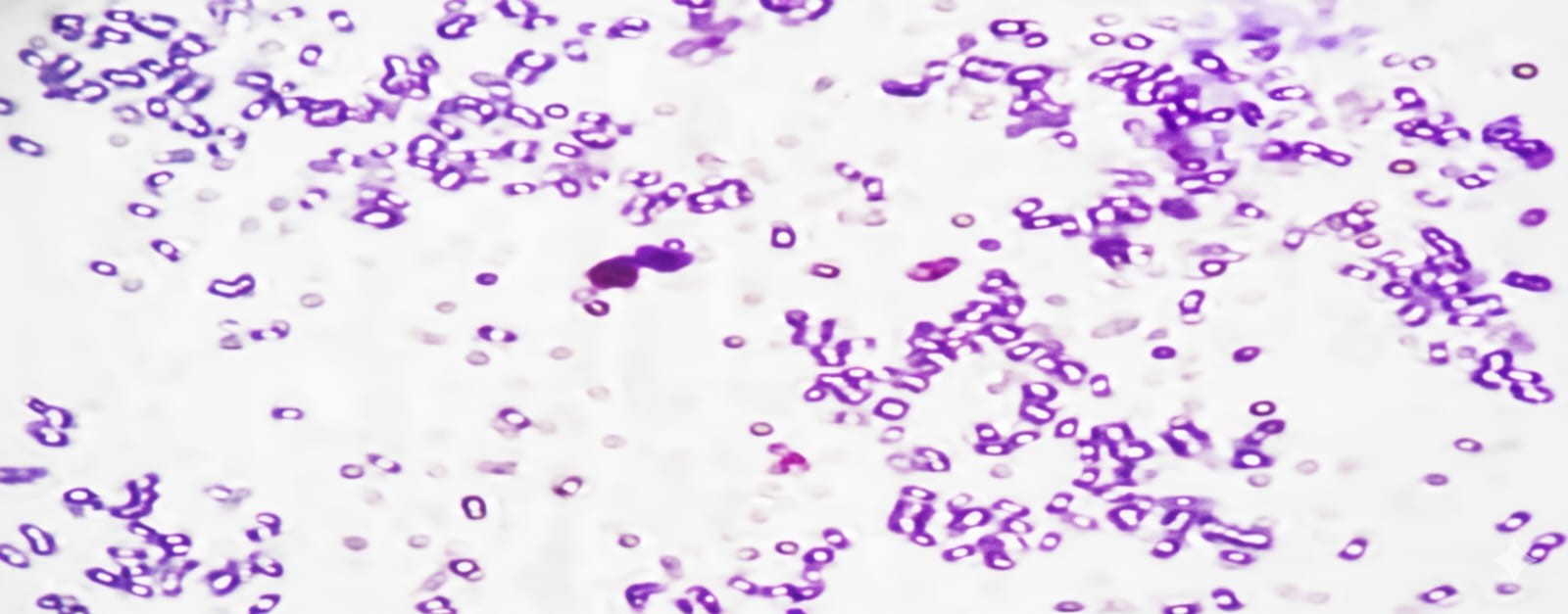
Butea monosperma (Lam.) Taub. is a medium-sized leguminous arboreal species in the family Fabaceae, characterized by its commercial value, pharmaceutical properties, and ecological importance. The overexploitation of this plant has caused it to be listed in the Red List of endangered species. This research aimed to isolate and molecularly identify plant root-associated bacteria from B. monosperma. Root samples were carefully collected, and pure cultures were prepared. Biochemical and morphological characterization was performed through staining and microscopy, respectively. Genomic DNA was isolated using a phenol–chloroform extraction method. The isolated DNA was quantified using spectrophotometry (A260/280) and 1% agarose gel electrophoresis. Molecular identification was carried out by amplifying the bacterial 16S rRNA gene using polymerase chain reaction (PCR). The amplicons were sent for Next-Generation Sequencing (NGS). The obtained sequence was submitted to NCBI to obtain an accession number. The phylogenetic tree was constructed using MEGA 12. The isolated bacterium was Gram-positive and morphologically appeared rod-shaped. The spectrophotometric ratio A260/280 was 1.85, and the amplicon size on agarose gel electrophoresis was 1360 base pairs. Phylogenetic analysis showed a 98% genetic similarity to Bacillus subtilis, which was confirmed through BLAST results. The accession number obtained was PX480147. Bacillus subtilis is a plant growth-promoting bacterium, and it could be applied in the plantation of B. monosperma.. The development of plant–root associations could be the best strategy for the conservation of this endangered species.