Comparative Evaluation of Neem Leaf Extract and Powder as Natural Antibacterial Agents Against Staphylococcus Aureus
Keywords:
Neem Plant, Antibacterial Activity, Leaves Powdered, Leaves Extract, Infectious DiseaseAbstract
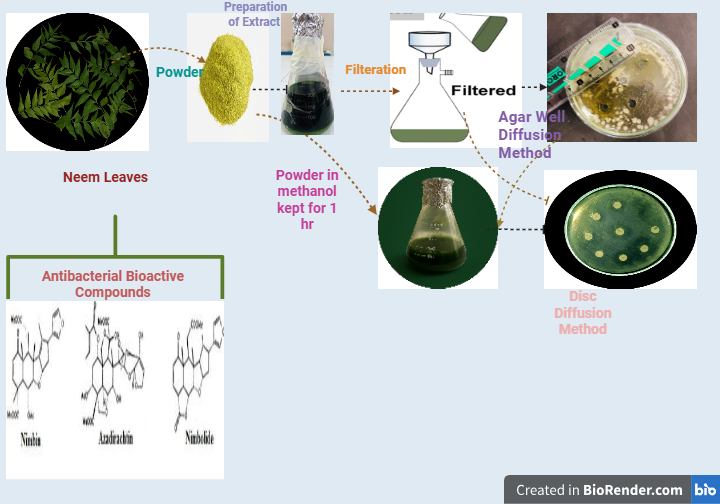
Azadirachta indica possess antiviral, antimicrobial, antioxidant, and antimalarial qualities due to a rich source of bioactive compounds. The study was conducted to find out the antibacterial activity of methanol extracts and powdered leaves of A. indica against Staphylococcus aureus. 25 g of finely ground powdered dried leaves was dissolved in 100 ml of methanol for an hour. To prepare the methanolic extract, 25 g of powdered leaf was mixed with methanol and allowed to stand for a week. Different concentrations of leaf extract and powder, ranging from 0.25, 0.3, 0.35, 0.4, 0.5, 1, 1.5, and 2.0 mg, were prepared after filtration and tested against cultured strains of bacteria, using both agars well diffusion and disc diffusion methods. The antibacterial evaluation was done by measuring the diameter of inhibition zones. According to statistical data, at a concentration of 0.25 mg/mL, the methanol neem powder showed the highest zone of inhibition (3.6 mm), while the lowest inhibition zone (0.7 mm) was recorded at 2 mg/mL. In comparison to the methanol extract, the powder shows greater effectiveness against S. aureus. At 2 mg/ml, methanol extract showed minimum inhibitory concentration (MIC) which is found to be 6.2 µg/ml, whereas the highest inhibitory value at 0.25 mg/mL was 0.6 µg/ml. Along with flavonoids and tannins, which enhance effectiveness by damaging bacterial cell walls, inhibiting enzymes, and generating oxidative stress, the strong antibacterial activity of neem is mainly attributed to its major bioactive compounds i.e Limonoids (azadirachtin, nimbin, nimbolide). For developing natural antibacterial drugs, Neem can be considered a very promising source due to its remarkable antibacterial potential.