Bioactive Properties and Nutritional Value of Camel Milk: An Updated Overview

Authors

  • Maria Noor Department of Food Science, Government College University, Faisalabad, Pakistan. Author
  • Muhammad Danish Department of Food Science, Government College University, Faisalabad, Pakistan. Author
  • Muhammad Bilal Hussain Department of Food Science, Government College University, Faisalabad, Pakistan. Author
  • Marwa Waheed Department of Food Science and Technology, Riphah International University, Faisalabad, Pakistan Author
  • Aliha Asif Department of Food Science, Government College University, Faisalabad, Pakistan Author
  • Zain ul Hassan Department of Dairy Technology, University of Veterinary and Animal Sciences, Lahore, Pakistan Author
  • Muhammad Ahmad Bakamal Department of Food Science, Government College University, Faisalabad, Pakistan. Author
  • Umar Abdul Rehman Department of Food Science, Government College University, Faisalabad, Pakistan. Author
  • Sadia Murtaza Department of Food Science, Government College University, Faisalabad, Pakistan. Author
  • Muhammad Sagheer Department of Chemistry, University of Agriculture Faisalabad, Pakistan Author
  • Sania Saeed Department of Food Science, Government College University, Faisalabad, Pakistan. Author

Keywords:

Camel Milk, Nutritional Content, Biological Structure, Therapeutic Benefits

Abstract

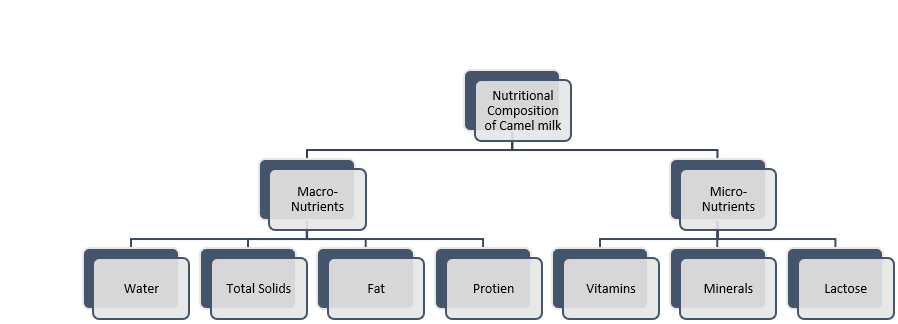
Traditionally sipped in dry areas, camel milk has been of interest from all around the world because of its unusual nutritional makeup and possible therapeutic benefits. This paper provides an overview of the dietary components as well as the health advantages linked to consuming camel milk. Protein, vitamins (especially the B and C vitamins), minerals (calcium, potassium, and magnesium), and important fatty acids are all abundant in camel milk. Moreover, it has bioactive substances that support its antibacterial, anti-inflammatory, and immunomodulatory qualities, including lysozyme, lactoferrin, and immunoglobulin. Research indicates that camel milk might provide medical benefits for many illnesses, such as autism spectrum disorder, diabetes, heart disease, and gastrointestinal issues. Additionally, camel milk has been investigated as a potential replacement for milk from cows in cases of lactose intolerance or allergy to milk proteins. To completely evaluate its therapeutic potential and understand the processes underlying its health advantages, more research is necessary. All things considered, camel milk shows potential as a functional food with a variety of nutritional and therapeutic qualities, offering hope for both therapeutic and preventive uses in human health.

Additional Files

Published

2025-12-26

How to Cite

Bioactive Properties and Nutritional Value of Camel Milk: An Updated Overview. (2025). International Journal of Agriculture and Sustainable Development, 7(4), 624-638. https://journal.xdgen.com/index.php/ijasd/article/view/428

Similar Articles

31-40 of 41

You may also start an advanced similarity search for this article.

Most read articles by the same author(s)